
Photo: Pexels
Fireworks are supposed to overwhelm the senses. But organisers still need to anticipate how noise, flashing lights, smoke, darkness, crowds and entry policies may affect disabled visitors and assistance animals.
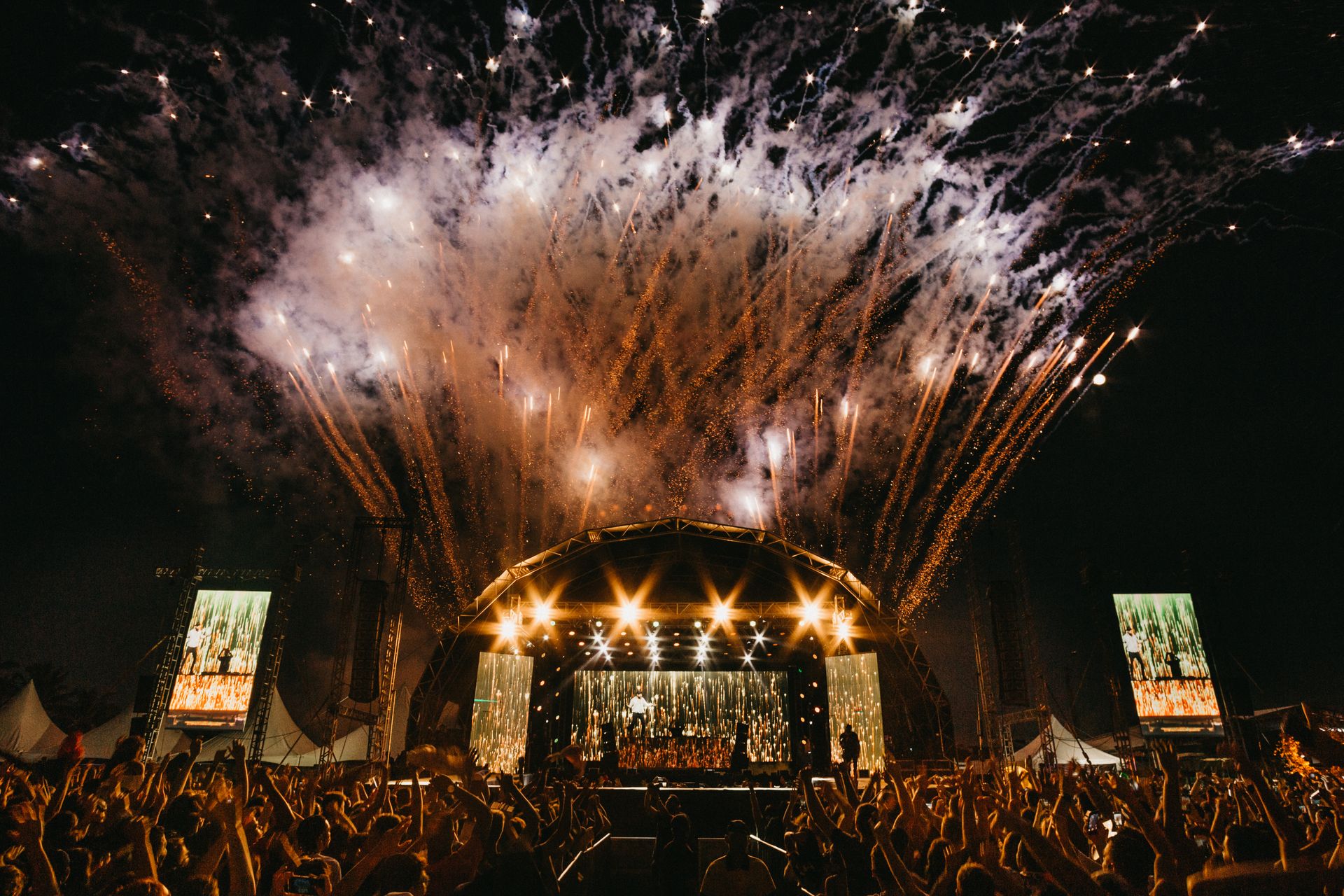
Fireworks displays are designed to overwhelm the senses. That’s part of their attraction. But the same explosions, flashing lights, smoke, darkness, crowds and unpredictable movement that make a display spectacular can make it inaccessible or genuinely dangerous for some disabled people, older visitors and assistance animals.
The answer is not to pretend a fireworks display can be made quiet. Nor is it automatically lawful to exclude anyone considered “too vulnerable” to attend. Good event management begins with honest information, thoughtful design and properly trained staff. It allows people to make informed choices while providing practical alternatives for those who need them.
Fireworks are an access issue as well as a safety issue
A public bonfire or fireworks event brings together several overlapping responsibilities: managing foreseeable risks, meeting the anticipatory reasonable-adjustment duty under the Equality Act 2010, managing crowds and emergency evacuation, controlling noise and temporary structures, and considering assistance animals. These responsibilities should form part of one operational plan, not separate checklists completed in isolation.
A technically safe event can still be inaccessible. Equally, an adjustment requested by an individual can’t simply override a genuine safety requirement. The task is to design the event, so far as reasonably possible, to achieve both.
What Goldscheider teaches us about noise
In Goldscheider v Royal Opera House Covent Garden Foundation [2019] EWCA Civ 711, the Court of Appeal upheld a finding in favour of a professional viola player who suffered acoustic shock after being exposed to extremely high noise levels during a rehearsal of Wagner’s Die Walkure. I acted for Mr Goldscheider.
One of the most important arguments advanced by the Royal Opera House was that orchestral noise was not an incidental by-product of its activities. It was the artistic product itself. The Court did not accept that the artistic character of the noise displaced the ordinary obligation to protect people from foreseeable harm.
The case concerned an employer’s responsibility to a musician rather than an event organiser’s Equality Act duties to spectators. Its wider operational lesson is nevertheless important: something doesn’t stop being a foreseeable hazard merely because it’s also the principal attraction.
The full article covers safety and exclusion, assistance animals at fireworks events, accessible viewing areas, ticketing and pre-arrival information, and a complete operational planning checklist.
Safety can plainly justify restricting access to certain areas or requiring particular conditions of entry. But the justification must be genuine, proportionate and evidenced. A general concern that something might be too overwhelming for some visitors is not sufficient.
Assistance animals present particular questions for fireworks events. The noise, smoke and unpredictable movement of a display may distress a working animal. An organiser can’t simply exclude all assistance animals on that basis.
The Access Advantage — Subscribers Only
This article continues in The Access Advantage
The full article covers safety justification and exclusion, assistance animals at fireworks events, accessible viewing and quiet areas, pre-arrival information duties, and a complete Bonfire Night operational planning checklist.
Subscribers get monthly legal briefings translated into operational language, direct access to ask one question per month answered personally, and first sight of every tool and framework before public release.
Subscribe to read in fullFirst month free — £14.99/month or £150/year after that.
What’s in the full article
Safety and exclusion
When safety genuinely justifies restricting access, what the evidence standard is, and why a general concern about vulnerability is not enough.
Assistance animals
What an organiser can and can't do when a working animal is distressed by noise. The advance-notice approach and how to design in safe alternatives.
Operational planning checklist
Accessible viewing, quiet areas, pre-arrival information, ticketing and emergency planning. A complete framework for accessible bonfire and fireworks events.
Accessibility specialist and legal professional. Postgraduate legal qualifications, CEDR mediation accreditation. Experience in Court of Appeal and Supreme Court cases. Director, Strategic Access Advisory Limited.
This article provides general legal and operational information and doesn’t constitute legal advice. For organisation-specific guidance, contact us.