
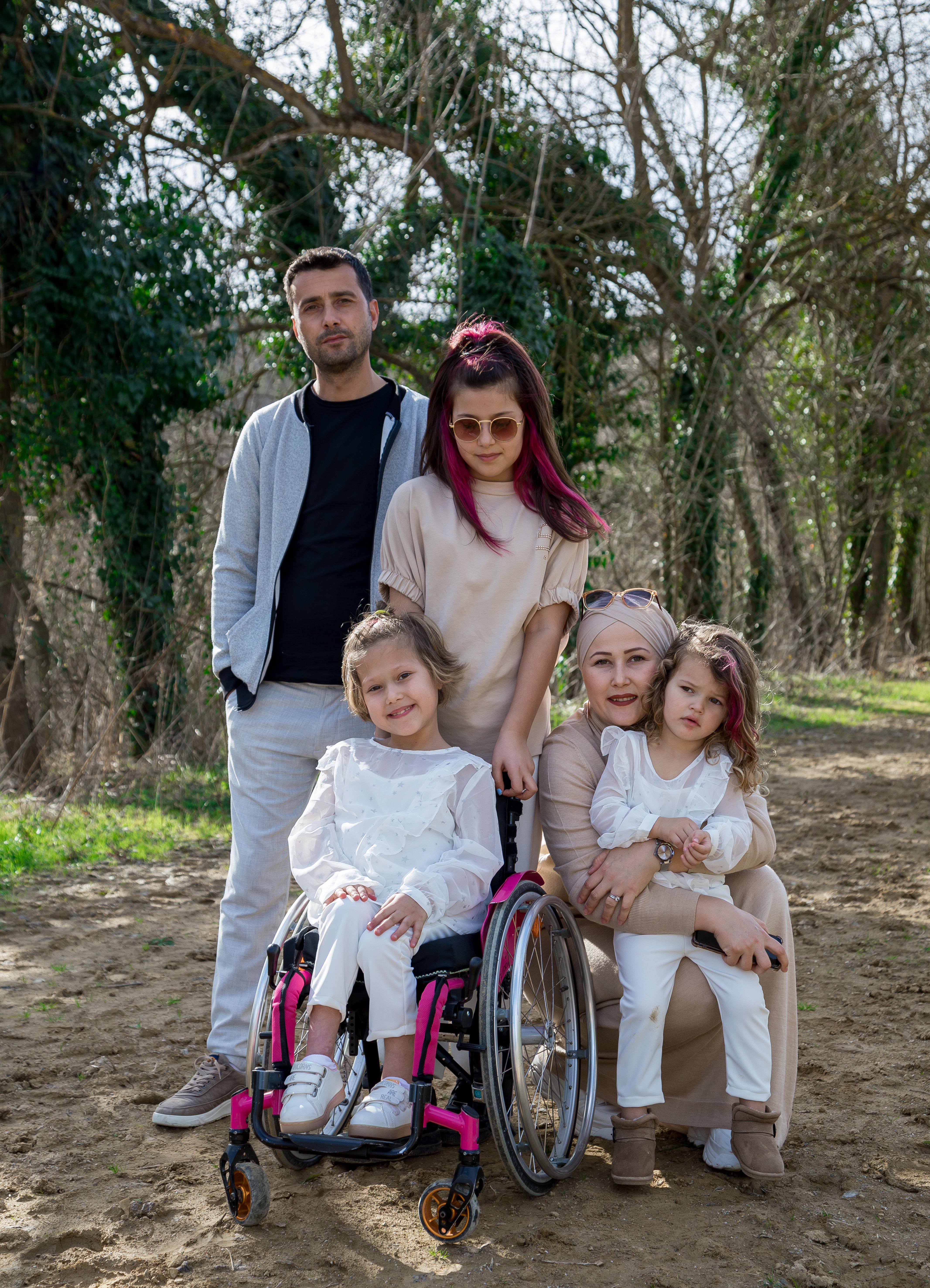
Photo: Pexels
The companion ticket has become one of the most established features of accessible customer service in the UK.
For many organisations, the process is straightforward. A disabled customer demonstrates that they qualify. A free companion ticket is issued. Everyone assumes the Equality Act has been satisfied.
It's a familiar model. It's also one that was developed at a time when organisations knew very little about the access needs of the people they served.
That world is changing.
Increasingly, venues, visitor attractions, sports clubs and cultural organisations are investing in technology that allows customers to share much richer information about the adjustments they need before they even arrive. Whether that's through an access registration scheme, a customer profile, a booking platform or specialist accessibility software, businesses are moving away from simply asking:
“Does this customer qualify?”
towards a much more useful question:
“What does this customer actually need?”
That distinction may seem subtle. Legally and operationally, it's profound.
The Companion Ticket Was Never the Objective
One misconception has become deeply embedded across the sector.
Many people now speak about free companion tickets as though they're a legal entitlement created by the Equality Act 2010. They aren't.
The Act doesn't require organisations to provide free companion tickets. Nor does it prohibit organisations from charging for companions.
Instead, it imposes a duty to make reasonable adjustments where disabled people would otherwise be placed at a substantial disadvantage. Those adjustments must remove the disadvantage. The legislation doesn't prescribe how that must be achieved.
For many years, the free companion ticket has been a practical way of delivering that adjustment. That doesn't mean it's the only way. Nor does it mean it'll always remain the most appropriate way.
Historically, organisations had very limited information available. They often knew that someone was disabled. They rarely understood how that disability affected the person's experience of using the service.
Today, however, many organisations possess significantly better information. Customers may now tell you that they require step-free access, priority entry, accessible parking, additional time, a hearing loop, a quieter environment, assistance with communication, support during evacuation, or physical assistance throughout the event.
Some of those needs require another person. Many don't.
The Questions Every Organisation Should Now Be Asking
Rather than asking whether the companion ticket remains free, organisations should begin by asking whether the policy itself still reflects how accessibility is being delivered. Does the companion remain the adjustment? Is the concession policy based upon evidence of need? Are staff making operational decisions or disability assessments?
The Access Advantage — Subscribers Only
This article continues in The Access Advantage
The full article covers the four governance questions every organisation should ask, the data protection obligations that come with richer access data, and a complete operational review checklist for your customer journey.
Subscribers get monthly legal briefings translated into operational language, direct access to ask one question per month answered personally, and first sight of every tool and framework before public release.
Subscribe to read in fullFirst month free — £14.99/month or £150/year after that.
What's in the full article
Better information, better decisions
Why richer access data changes what counts as a reasonable adjustment — and when the companion ticket stops being the right answer.
Four governance questions
The questions every organisation should now be asking about whether their policies reflect current Equality Act thinking.
The operational review
Nine areas of your customer journey to audit: from companion ticket policy and concession policy through to GDPR governance.
Chris Fry
Accessibility specialist and legal professional. Postgraduate legal qualifications, CEDR mediation accreditation. Contributor to House of Lords and Commons Select Committee proceedings, and Court of Appeal cases. Founder, Strategic Access Advisory Limited.
This article provides general legal and operational information and is not legal advice on the circumstances of any particular organisation.