
How many of us scroll through our phones while following a programme on Netflix? I certainly don't spend every minute staring at the screen. Sometimes I'm listening to the dialogue, following the story and looking up when something catches my attention. Nobody suggests that means I'm not enjoying it.
Yet when it comes to disabled people, businesses can make some extraordinary assumptions about what somebody might want to experience.
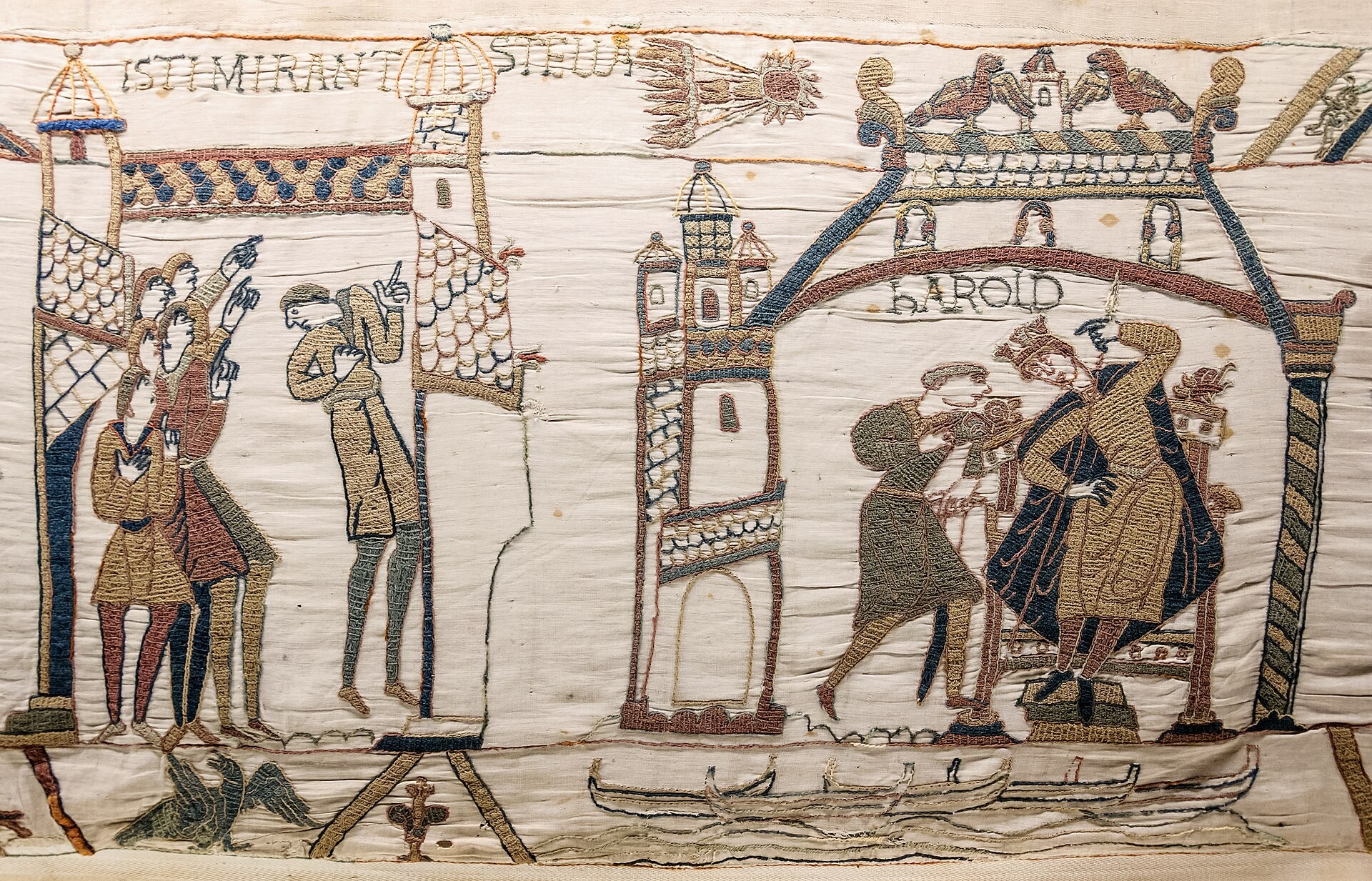
The British Museum is now facing a legal challenge from a blind visitor who wanted audio description of the Bayeux Tapestry. On one level, I can imagine the thinking: it's a piece of visual art, so perhaps the needs of blind visitors weren't at the front of the planning process. I don't know whether that's what happened. The Museum says it's committed to making the exhibition as accessible as possible and has worked with specialist access consultants, and the claim hasn't been decided. But the question the case raises is a familiar one.
Why would a blind person not want to experience one of the most important surviving accounts of 1066? The tapestry isn't just something to look at. It's a story, a piece of history, an extraordinary object and a chance to share a cultural experience with other people.
The Little Mix case
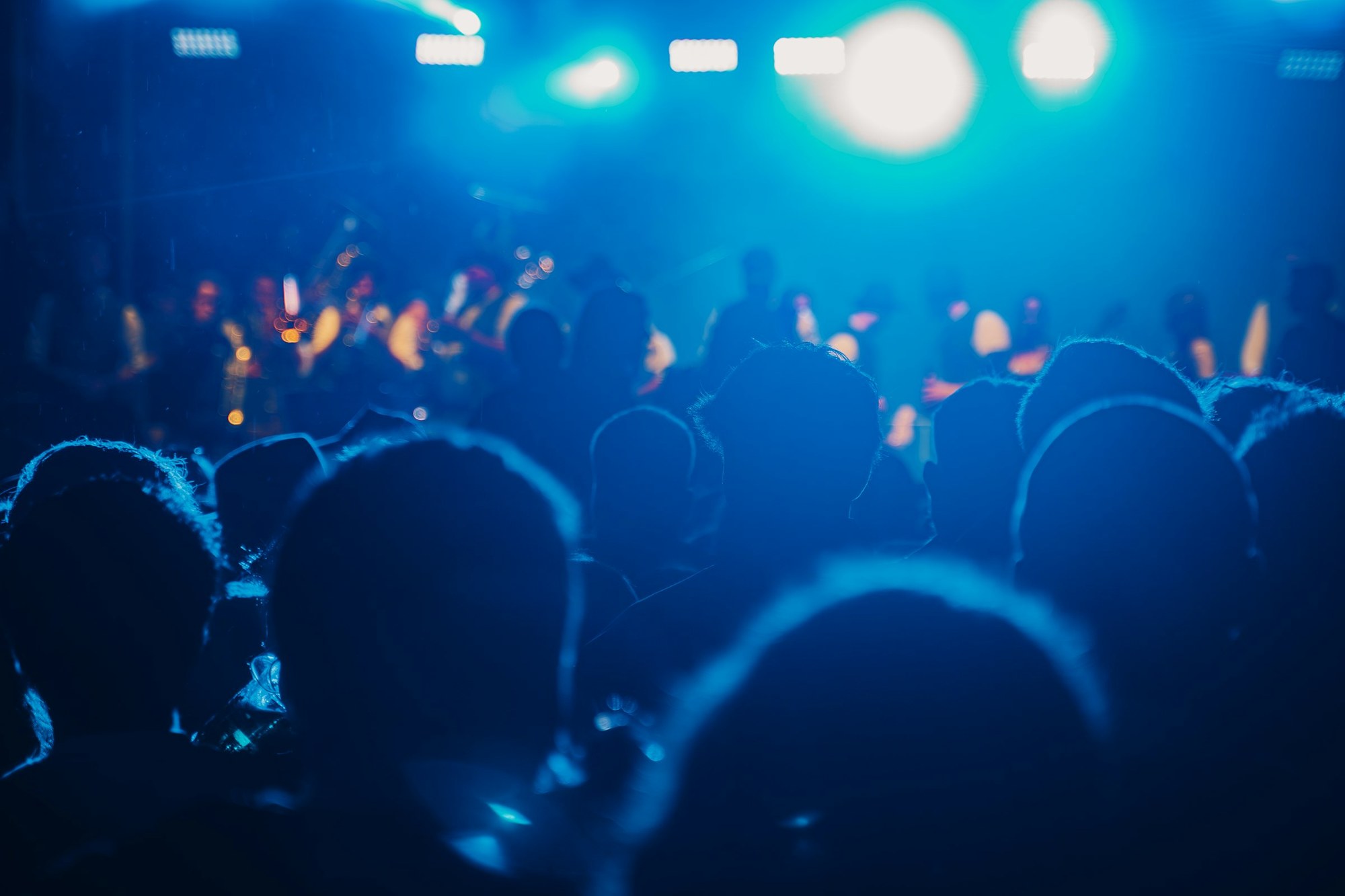
I've seen the same problem before. I acted for three Deaf mothers who wanted to take their children to a Little Mix concert. The promoter, LHG Live, provided a British Sign Language interpreter for the headline act but not for the support acts. The mothers had asked for interpretation of the whole event and were told they could bring their own interpreter.
The mistake was to treat the concert as music to be heard, rather than as an experience Deaf parents might reasonably want to share with their hearing children. The mothers weren't asking for a different event. They wanted access to the one everybody else had bought tickets for. One of them asked what anyone would think of going to the cinema and getting access to only the last twenty minutes of the film.
They won. In 2021 a District Judge found that the promoter had failed to make reasonable adjustments and awarded each mother £5,000 for injury to feelings. The judge was more critical of something else: the promoter appeared to have given no thought at all to the possibility that Deaf people might attend one of its concerts. That's the lesson the live entertainment industry should have learned without anyone needing to go to court. Deaf people go to concerts. Deaf parents take their children to concerts. The service needs to anticipate them.
A blind sports supporter
I also mediated a case involving a blind sports supporter who hadn't been given audio description at a major international match.
Again, the apparent failure was to understand what the customer had paid for. A big international fixture isn't just players moving around a pitch. It's the crowd, the build-up, the anthems, the tension, the atmosphere and being there when something happens.
Audio description helps somebody follow the action and make sense of those moments. It doesn't create a different sporting event. It makes the same event accessible.
The Netflix comparison is useful because it exposes how casually the rest of us move between seeing, hearing and experiencing. We don't insist that enjoyment must take one prescribed sensory form. So why do we sometimes make precisely that assumption about disabled customers?
The common thread
These are different services and different impairments. Blind and partially sighted people aren't one group with identical requirements, any more than Deaf people are. Some people use audio description and some prefer other formats. Some Deaf people use BSL and others don't. The adjustment has to fit the barrier.
But the common theme is straightforward: access isn't simply admission, and participation isn't determined by one sense.
Stephanie, a Deaf mother featured this week by Wokingham Borough Council, describes the difference between sitting in a room and being included in what's happening. For her, access isn't special treatment. It's what lets her take part properly, like everyone else, instead of spending the time trying to piece together what she's missed.
On the railways, Southern, Thameslink and Great Northern have introduced audio guides for six stations and four trains, developed with volunteers from Sight Loss Councils. The guides describe things like gates, platforms, layouts and obstructions, so a blind or partially sighted passenger can get to know a station before relying on it. Again, the aim isn't just to get somebody through the station entrance. It's to let them use the service with information and confidence.
What the Equality Act asks of businesses
The reasonable adjustments duty in service provision is anticipatory. It isn't enough to wait for the first complaint and then work out whether disabled people might want to come.
That doesn't mean every conceivable adjustment has to be available in every setting. Reasonableness depends on the circumstances, and there can be genuine practical constraints. The British Museum, for example, has pointed to limits on how long the tapestry can be exposed to light, which restrict visitor numbers. It has said an in-person audio-described tour will be held and that it's exploring an audio-described option in the exhibition's app. Its legal dispute hasn't been determined.
But those constraints belong in the planning conversation. They aren't a reason to skip the conversation altogether.
When a venue designs an exhibition, a concert, a match-day operation or a digital booking journey, I'd ask a simple question: who are we assuming won't want to use this service, and why?
That's often where the problem begins. Not with hostility, and not necessarily with a deliberate decision to exclude, but with a narrow idea of what the experience is and who it's for.
The answer for businesses is to involve disabled people early, plan the right communication and interpretation, make sure ticketing and front-of-house teams can deliver it, and test the whole customer experience rather than a list of accessible features.
That's the point of Operational Accessibility: making this work in practice, before a disappointed customer has to explain the obvious.
People don't just pay to see a tapestry, hear a band or watch a match. They pay to be part of an experience. We should stop being surprised when disabled people want exactly the same thing.
Does your venue know who it's assuming won't want to use its service?
Strategic Access Advisory works with sport, music, entertainment and live events organisations on exactly this.
Get in touchSources
- British Museum claim: Leigh Day, 30 September 2026
- British Museum response: The Art Newspaper, 1 October 2026
- British Museum response: BBC News, Bayeux tour to include audio account of tapestry
- Little Mix case: BBC News, Little Mix promoter discriminated against deaf mums, September 2021
- Stephanie's story: Wokingham Borough Council, 15 October 2026
- Rail audio guides: South West Londoner, 15 October 2026
- Equality Act 2010, sections 20, 21 and 29
The British Museum dispute is ongoing and no finding of liability is suggested. The sports mediation is described in general terms from Chris Fry's own experience and isn't presented as a published judgment.
Chris Fry
Accessibility specialist and legal professional. Postgraduate legal qualifications, CEDR mediation accreditation. Contributor to House of Lords and Commons Select Committee proceedings, and Court of Appeal cases. Founder, Strategic Access Advisory Limited.