
Guides & Articles
Practical, legally grounded guidance on the Equality Act 2010 — written for venues, operators, and customer experience teams.
Plus One - No Problem
Companion Ticketing Under the Equality Act 2010: Who Should Be Admitted, and Who Should Pay
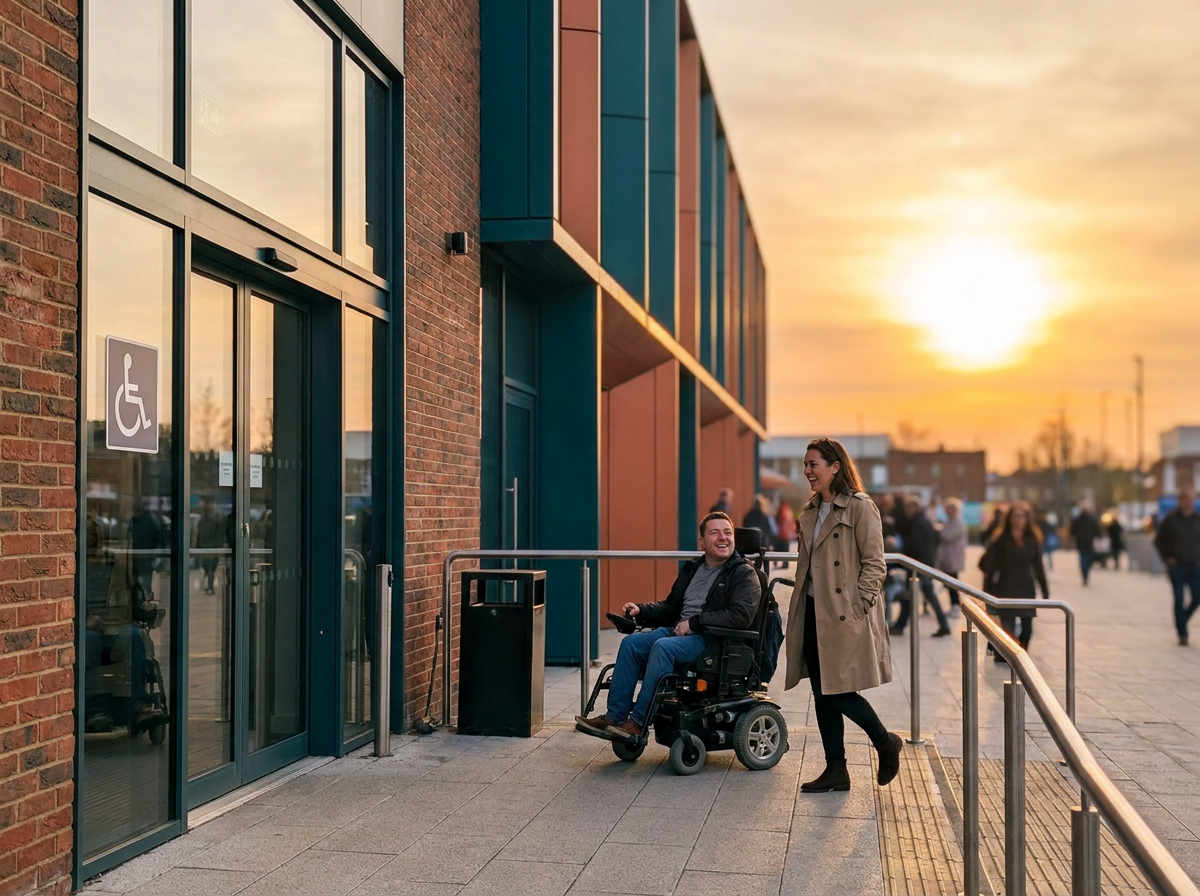
When a disabled customer needs a companion to use your service safely, should they pay for two tickets? The answer under the Equality Act 2010 depends on one thing: what that companion is actually there to do.
A companion present in a care role — managing medication, providing physical support, enabling communication — isn't a second customer. Charging for their attendance puts the cost of a disability-related requirement directly onto the person who needs it most. The anticipatory duty under Section 20 of the Act is designed to prevent exactly that outcome.
This note maps the scenarios that arise across sport, rugby, theatre, and live events — when a free or discounted ticket is a legal obligation rather than a gesture, when it isn't, and what happens when a venue has already got the policy wrong.
What's covered
- Why standard 'everyone pays full price' policies may constitute indirect discrimination
- When a companion is in a care role versus independently enjoying the event — and why the distinction matters legally
- The 'disability tax' problem: how equal pricing rules produce unequal outcomes for disabled customers
- Eight annotated case studies across football, rugby, theatre, and festivals
- What partial access means for pricing — and why a free companion ticket doesn't fix it
- How to assess evidence requests without making the process itself a barrier
- A seven-point practical checklist for reviewing or designing your companion ticket policy
- What the Nimbus Access Card +1 and +2 symbols mean in practice
Case studies covered
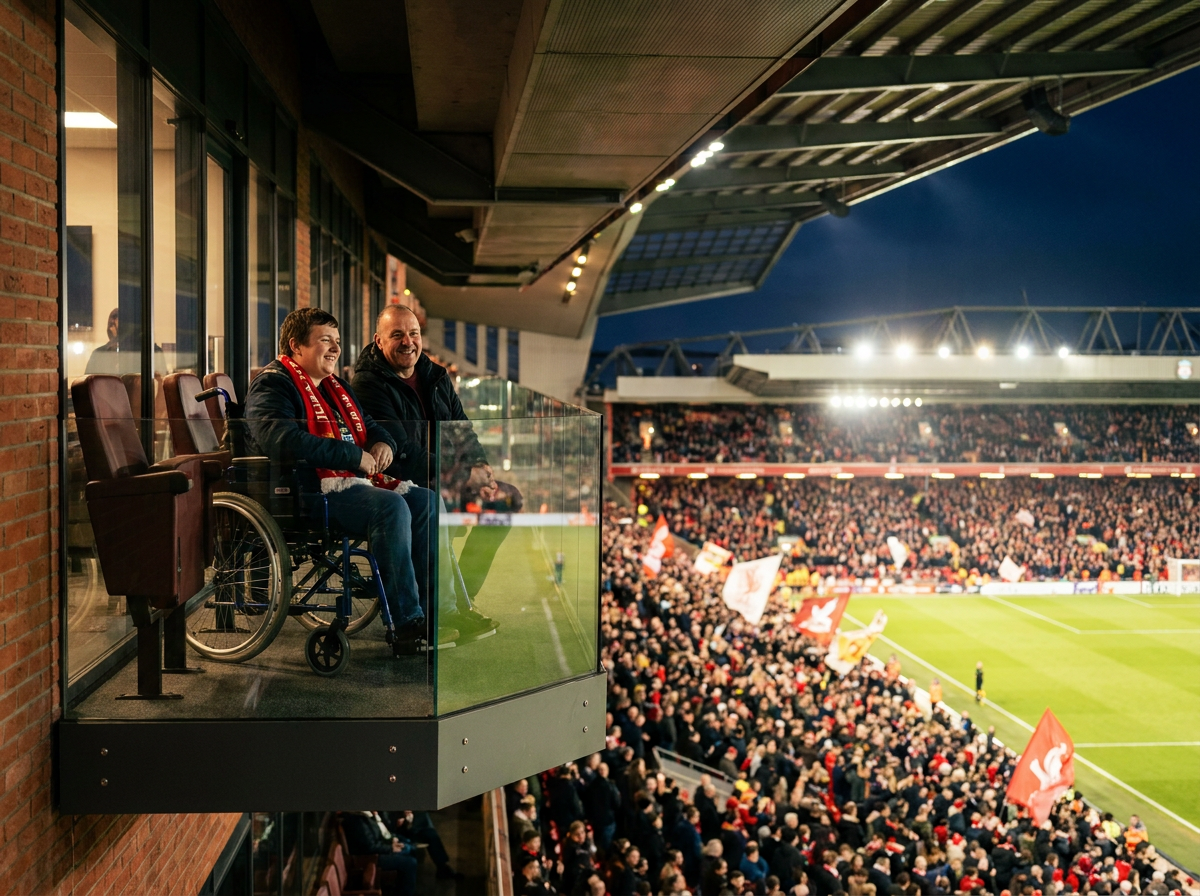 Football
Two scenarios examine season ticket credit systems that penalise disabled supporters for disability-related absences, companion registration limitations, and how 'upgrade' arrangements become contested when venues change layout.
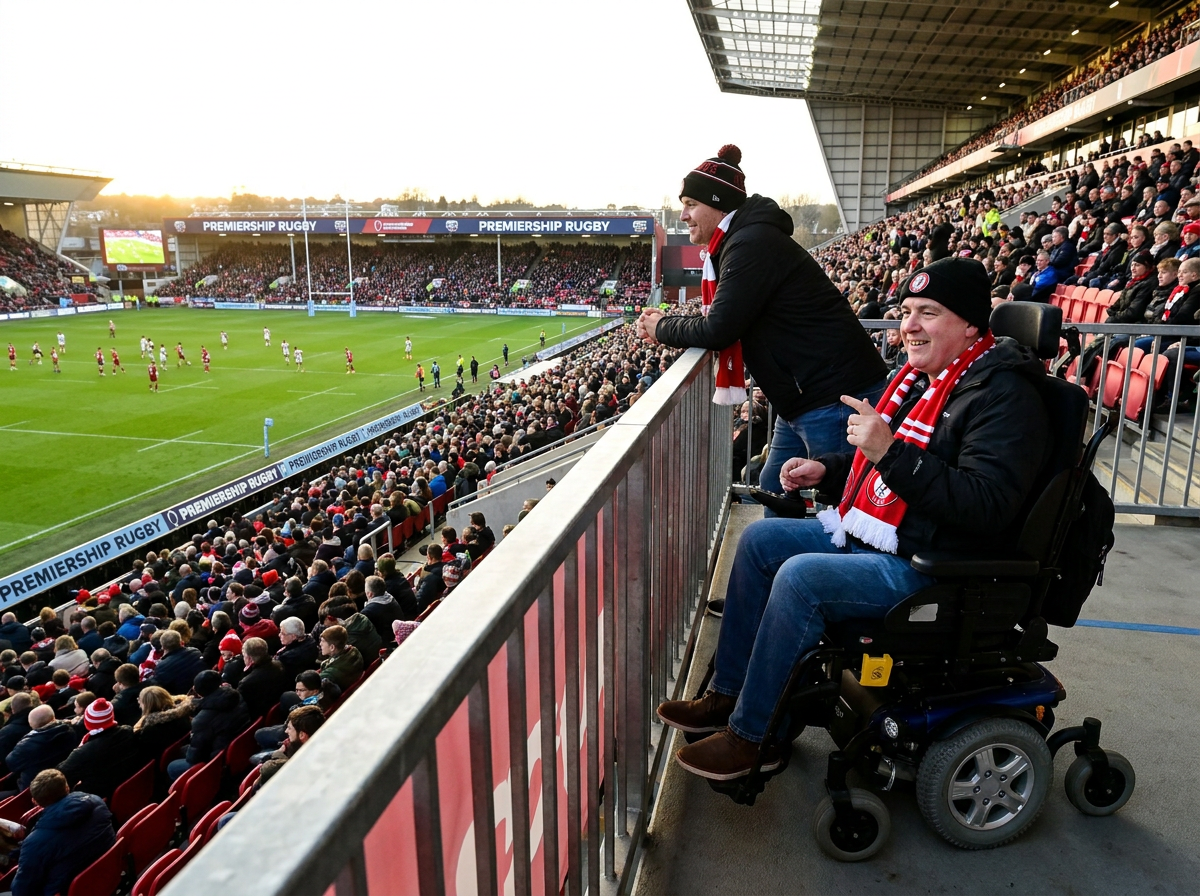 Rugby
RugbyA family member who is genuinely enjoying the match is not providing care — and a blanket free-ticket policy can obscure where real legal obligations begin. A second scenario examines partial access and care-role charging at community level.
 Theatre & West End
A D/deaf theatregoer's companion providing BSL interpretation is not a second customer — they're enabling access to a service the provider is legally required to make accessible. Physical barriers raise the separate question of what price honestly reflects what's delivered.
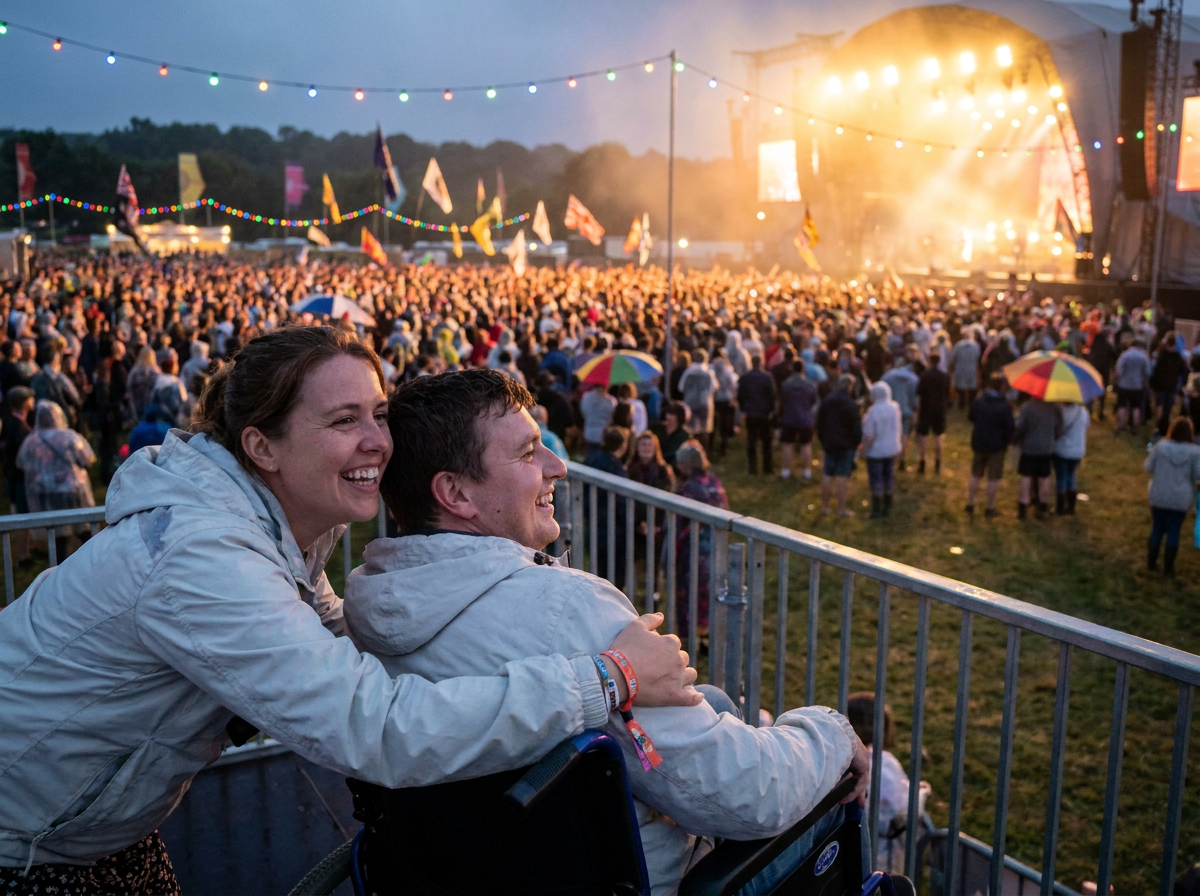 Festivals
A one-companion-per-disabled-attendee policy applied without assessment doesn't meet the anticipatory duty where two companions are genuinely required. Partial site access raises contractual and pricing questions that a free ticket for next year cannot resolve.
Common questions
Does the Equality Act require companion tickets to always be free?
No. The Act requires that disabled people aren't left paying more than everyone else simply to access the same experience. Where a companion attends purely in a care role, a free ticket is the clearest way to meet that obligation. Where the companion is also genuinely enjoying the event, they can pay — but the combined total must stay within the limits set by Level Playing Field guidance.
How do we assess whether a companion is in a care role?
The test is practical, not medical: is the companion present because the disabled person cannot access the service safely without them? Tools like the Nimbus Disability Access Card's +1 symbol provide a verified, privacy-respecting shortcut — confirming the need without requiring sensitive medical documentation from the customer.
What if a disabled customer's companion changes each time they attend?
Care arrangements change. Staff turnover in personal care is high, and family members often step in at short notice. A policy that assumes a single, named, pre-registered companion will create barriers for many of the people who need flexibility most. Reasonable flexibility in companion registration, with a proportionate verification process, is both legally defensible and practically sensible.
Is a discounted companion ticket enough to protect us legally?
Not on its own. Level Playing Field makes this explicit: a free or discounted ticket doesn't automatically protect a venue if the underlying access duties haven't been addressed. A well-intentioned discount alongside genuinely inaccessible facilities isn't a solution — it's evidence that the harder problem hasn't been faced.
Chris Fry
Director, Strategic Access Advisory Limited
Download the article
Enter your details below to receive the full article as a Word document. We'll occasionally send relevant updates — no spam, unsubscribe any time.
This article is provided for information only and does not constitute legal advice. For venue-specific advice, contact us.
Also in our resources library
I'm Still Standing
Managing queuing at events for disabled people — the legal requirements, key case law, verification systems, and a self-scoring checklist for venues and event operators.
Read I'm Still Standing