
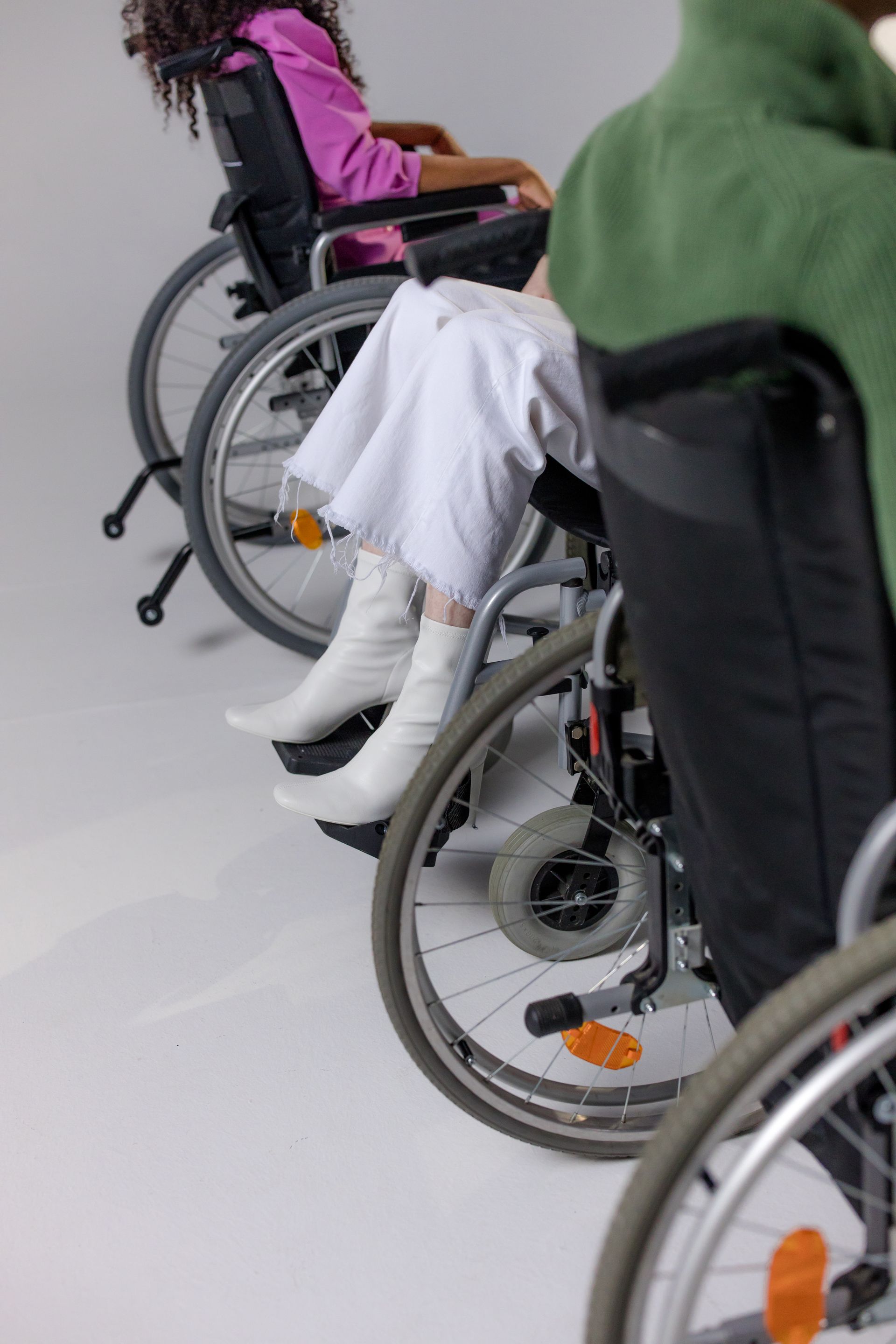
Photo: Pexels
Two duties are converging on the same physical space. One comes from the renewed legal framework for single-sex and shared changing facilities. The other comes from the Equality Act 2010, and the duty it places on service providers to protect the dignity of disabled customers.
Changing spaces are where the single-sex space rules and the disability dignity duty meet most directly. A venue that reconfigures its changing facilities to meet one set of expectations can easily create a disadvantage for disabled customers under the other, unless it thinks both duties through at the same time.
The Equality Act doesn’t treat dignity as a nice-to-have. The reasonable adjustments duty, the anticipatory duty, and the prohibition on indirect discrimination all bear on how changing facilities are designed, staffed and operated. A disabled customer who can’t use a facility safely, privately, or with the assistance they need isn’t receiving the service on equal terms. Under the revised EHRC statutory Code in force from 5 August 2026, the expectation that providers design these spaces inclusively is stronger, not weaker.
Where the two agendas collide
The collision points are practical, not theoretical. Provision of accessible changing benches, hoists, privacy arrangements, and the staffing to support them all interact with how single-sex and shared spaces are zoned. A policy that meets the single-sex framework but leaves a disabled customer with no dignified route through the building is a policy that fails the Equality Act.
The operational answer isn’t to pick one duty over the other. It’s to map both at the same time, document the decisions, and train staff on the exception journey. The same discipline that applies to ticketing, queuing and emergency communication applies here.
The full article sets out the dignity duty under the Equality Act, the specific facility and staffing questions, the single-sex space interaction, and a practical review framework for venues.
The first collision point is physical layout. A single-sex bay that doesn’t contain an accessible changing bench or hoist forces a disabled customer to choose between the sex-segregated space the new rules protect and the equipment the Equality Act requires.
The second is staffing. Personal assistance in a changing space is a reasonable adjustment some disabled customers need. A staffing model built only around the single-sex framework can leave that adjustment without a dignified way to deliver it.
The Access Advantage, Subscribers Only
This article continues in The Access Advantage
The full article covers the dignity duty under the Equality Act, the facility and staffing questions, the single-sex space interaction, and a practical review framework for venues.
Subscribers get monthly legal briefings translated into operational language, direct access to ask one question per month answered personally, and first sight of every tool and framework before public release.
Subscribe to read in fullFirst month free, then £14.99/month or £150/year.
Disability access consultant and Equality Act 2010 specialist. CEDR-accredited mediator. Founder of Strategic Access Consulting. Experience in Court of Appeal and Supreme Court cases, contributions to House of Lords and Commons Select Committee proceedings.
This article provides general legal and operational information and isn’t legal advice. For organisation-specific guidance, contact us.